Common AC Problems and Troubleshooting Tips

December 2, 2025
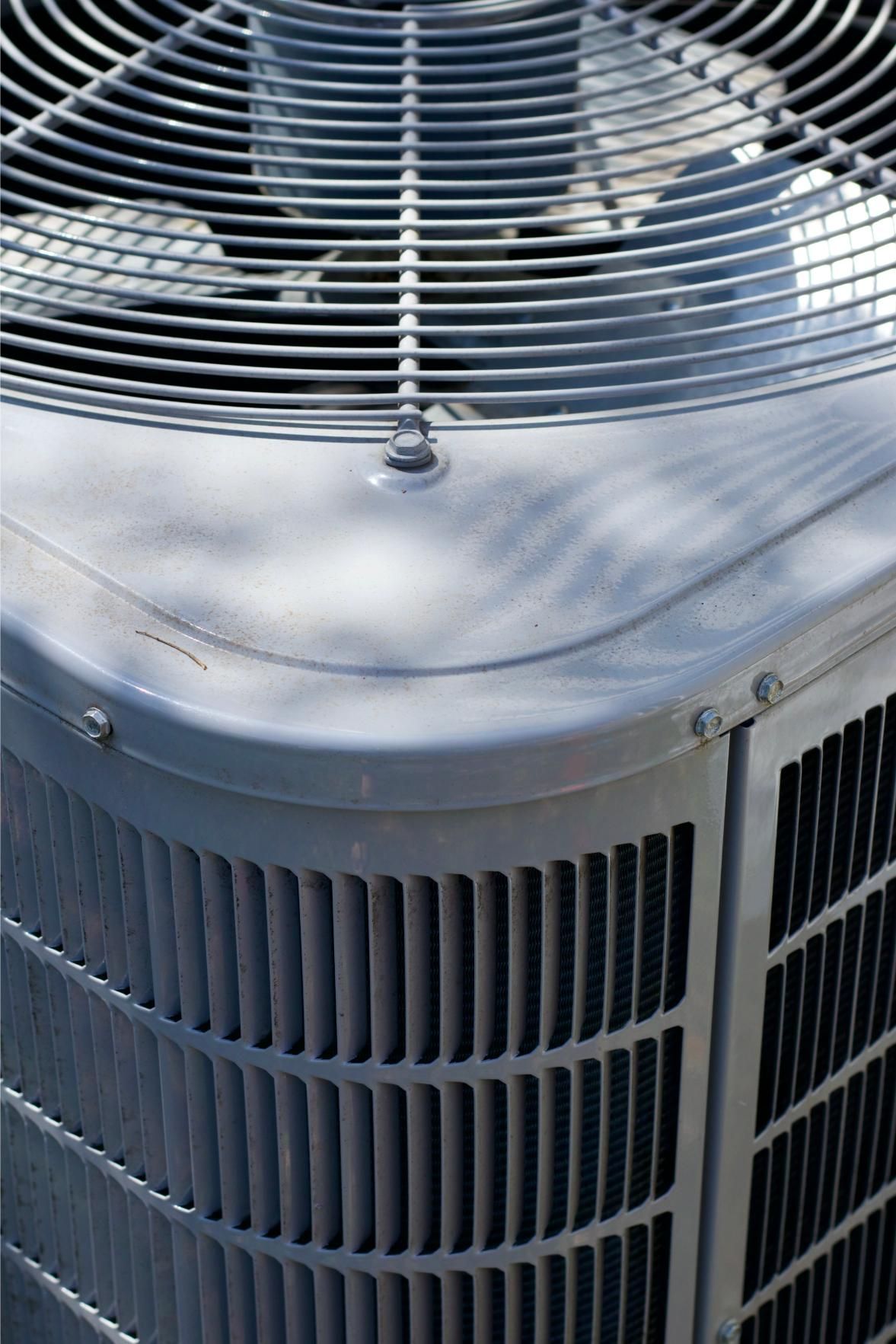
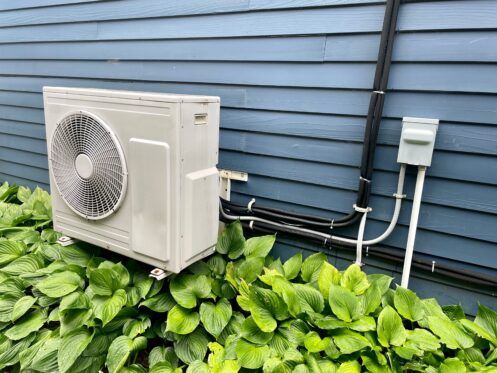
Close-up of a light-colored air conditioning unit, with a fan on top, in an outdoor setting.

Common AC Problems and Troubleshooting Tips

When your air conditioner starts acting up just as the heat rolls in, it can quickly turn from a minor annoyance into a full-blown emergency. At Modern Heating & Plumbing Co., we’ve seen the most frequent issues homeowners encounter, and we’ve got practical advice to help you troubleshoot—and know when it’s time to call in the professionals.

About Us

Poor or No Cooling

If your home isn’t staying cool—even when the system is running—several common culprits could be at play:


  • Dirty or clogged air filters restricting airflow
  • Refrigerant leaks or low levels impacting performance
  • Worn or malfunctioning internal parts interfering with cooling
  • Leaky or damaged ductwork reducing overall efficiency


These issues are often detected during a professional inspection, and timely repair can prevent total system failure.

Frequent Cycling or System Not Responding

If your cooling system turns on and off too frequently—or doesn’t respond at all—it may be due to:


  • Thermostat miscalibration or faults disrupting signal commands
  • Internal wear causing electrical or mechanical failures
  • Blocked vents or filters altering register airflow and pressure


Proper maintenance, including thermostat calibration and airflow checks, can restore balance and performance.

Request a Quote

Frozen Coils or Ice Buildup

Ice formation on your system is a clear warning that something is off. Typical signs include:


  • Visible ice on coils or refrigerant lines
  • Reduced airflow from vents, despite the system running
  • Warm air blowing out despite operation


To address a freeze-up:


  • Shut the system off to prevent damage, especially to the compressor
  • Inspect and replace dirty air filters impeding airflow
  • Adjust thermostat settings—avoid setting it excessively lower than outdoor temps
  • Clear or unblock supply and return vents to improve flow
  • Clean the condensate drain to prevent backups that could lead to freezing
  • Once thawed, resume operation cautiously and monitor closely
  • If freezing persists, schedule a professional inspection for possible refrigerant issues

Unusual Noises or Odors

Strange sounds (squealing, banging) or unexpected odors often point to:


  • Mechanical wear or loose components rattling during operation
  • Accumulated debris or mold causing funky smells
  • Electrical issues that may pose safety risks


Prompt attention can catch these problems before they escalate and help preserve both your comfort and your system’s integrity.

Request a Quote

Why Choose Modern Heating & Plumbing Co.?

Choosing Modern Heating & Plumbing Co. means putting your trust in a company with deep roots in the Gurnee area since 1948. Our skilled technicians combine decades of experience with state-of-the-art equipment to address every issue—from clogged filters and refrigerant leaks to frozen coils and worn parts. We prioritize rapid diagnosis, transparent recommendations, and long-term solutions tailored to your home and budget. From routine tune-ups to emergency repairs, we stand by your side, ensuring your cooling system stays efficient, reliable, and ready for whatever the season brings.

March 10, 2026
The first warm days often arrive fast. If your air conditioner has been idle since last fall, a spring tune-up helps it start clean, run efficiently, and keep surprises off your summer calendar. It is a small appointment that can prevent big headaches like short cycling, warm rooms, or a sudden spike in your utility bill. At Modern Heating & Plumbing, we recommend scheduling AC maintenance in spring so a technician can service the system under mild conditions and fix small issues before heat waves strain every component. This guide explains what is included, what you can expect to pay in our area, and why regular service is a smart investment in comfort and equipment life. What a professional AC tune-up includes A thorough spring maintenance visit focuses on safety, airflow, efficiency, and early problem detection. While checklists vary by model and condition, you can expect a trained technician to complete the following: Coil cleaning: Clean the outdoor condenser coil and inspect the indoor evaporator coil to remove dust and debris that restrict heat transfer and increase energy use. Refrigerant check: Verify charge using proper testing. If levels are off, the tech will investigate for leaks before adding refrigerant. Electrical tightening and testing: Inspect contactors, capacitors, relays, and wiring. Tighten loose connections that can cause hard starts or intermittent shutdowns. Airflow verification: Measure temperature split and static pressure, confirm blower speed settings, and look for duct restrictions or leaks that cause uneven rooms or noise. Thermostat calibration: Confirm the thermostat is level, set correctly, and communicating with the system. Calibrate and update programming if needed. Condensate drain service: Clear and flush the drain line and pan to prevent water damage or musty odors. Lubrication and moving parts: Lubricate where the manufacturer specifies to reduce wear. Filter guidance: Check your current filter type and condition, confirm correct MERV rating for your system, and recommend a replacement interval based on pets, allergies, and usage. These steps work together. For example, clean coils and correct refrigerant charge lower runtime, which reduces wear on electrical parts and helps maintain steady indoor humidity. Typical pricing in our area Air conditioner maintenance pricing can vary with system type, accessibility, and add-on services like deep evaporator coil cleaning. In Northern Illinois and Southeast Wisconsin, a standard single-system tune-up typically falls in the range of $99 to $189. Multi-system homes, high-efficiency models with specialized components, or hard-to-access indoor coils can increase the total. If needed, repairs are quoted separately after we explain the findings. If you are planning a replacement rather than a tune-up, request a tailored quote. Factors such as equipment brand, SEER2 rating, ductwork condition, electrical upgrades, and condensate routing can change project scope. Our team provides free estimates for replacements and can walk you through incentives and financing on approved credit. How maintenance prevents common AC problems Regular service targets the root causes of many nuisance issues: Short cycling: Loose electrical connections, weak capacitors, dirty coils, and improper refrigerant charge can cause rapid on-off behavior. Tune-ups test and correct these conditions. Poor cooling or warm air: Blocked coils, clogged filters, or low refrigerant reduce heat removal. Cleaning and charge checks restore performance. High energy bills: Restricted airflow and fouled coils make the system run longer. Cleaning, airflow balancing, and proper setup reduce runtime. Musty odors or water near the furnace: A blocked condensate drain can overflow. Spring service clears the line and treats the pan to prevent algae buildup. Noisy operation: Debris around the outdoor unit, loose panels, or failing fan motors can create rattles or grinding sounds. Inspections catch mechanical issues early. Catching these items before the first heat wave prevents emergency calls and helps your system deliver stable temperatures and better humidity control all summer. How often AC service is needed For central AC systems, schedule maintenance once a year in spring. Heat pumps that provide both heating and cooling benefit from two visits per year, typically after summer and after winter. If your AC is older, has a history of leaks or electrical issues, or serves a home with heavy dust and pet hair, a more proactive schedule can be helpful. Ask the technician to recommend an interval based on your system’s condition. A quick homeowner checklist between visits Keeping a few basics in shape between tune-ups goes a long way: Replace or clean filters on schedule. Standard 1 inch filters are often changed every 1 to 3 months. Many 4 to 5 inch filters last 6 to 12 months, depending on home conditions. Clear the outdoor unit. Maintain at least 2 feet of clearance. Remove leaves, grass clippings, and covers before starting the system. Set the thermostat to cool and verify the temperature. Replace batteries if applicable, and use gradual setpoint changes. Check supply and return vents. Open and unblocked vents protect airflow and reduce noise. Watch for warning signs. Ice on refrigerant lines, warm air from vents, unusual noises, or water near the indoor unit are reasons to call. If you suspect duct dust buildup or lingering odors, ask about whole-home air quality solutions that include filtration and humidity control. For more on IAQ options, explore our page on indoor air quality and related services in the Gurnee area. Is AC service worth the money? Yes, for most homes an annual tune-up pays off in three ways. First, it lowers the chance of a mid-season breakdown by catching components that are near failure. Second, it supports efficiency by keeping coils clean and refrigerant levels correct, which helps control monthly energy costs. Third, it can extend equipment life by reducing heat and electrical stress, which often delays big-ticket replacements. While no maintenance plan eliminates every repair, it improves your odds and provides documented care for manufacturer warranty support. FAQs How much should an air con service cost? In our region, a typical maintenance visit for one central AC system usually ranges from $99 to $189, with additional costs for deep cleaning or repairs as needed. How often should an AC system be serviced? Once a year in spring for central AC. Heat pumps typically need twice-yearly service. What are common AC problems? Short cycling, weak cooling, high bills, water near the furnace from a clogged condensate drain, noisy operation, and uneven temperatures. Many trace back to dirty coils, airflow restrictions, or refrigerant and electrical issues. Is AC service worth the money? Usually yes. It reduces breakdown risk, helps control energy use, and can lengthen system life. How long does a full HVAC installation take? Most standard residential replacements are completed in one day, though complex projects, duct modifications, electrical upgrades, or multiple system installs can take longer. Exact timelines vary by home and scope. Ready to schedule spring AC maintenance? Modern Heating & Plumbing has served Northern Illinois and Southeast Wisconsin since 1948. Our factory-trained technicians focus on safety, transparency, and reliable results. Call 847-782-9690 to schedule your spring tune-up, request a free estimate for replacement, or ask about current promotions. We also offer financing on approved credit for replacement projects. If you are comparing options for AC service in the Antioch area, you can learn more about our local support for HVAC in Antioch on our regional page. For broader indoor air quality solutions, see our overview of services for duct cleaning and air quality in Gurnee, IL. A well-timed tune-up sets your system up for a smoother summer. Clean coils, correct charge, tight electrical connections, and verified airflow add up to fewer surprises, lower stress on components, and better comfort when the heat arrives. Schedule early and enjoy the season.
February 9, 2026
If your furnace limped through winter or your AC struggled last summer, late winter is the right moment to plan a replacement before spring demand spikes. A thoughtful plan can save you money, reduce downtime, and help you capture current incentives. This guide breaks down typical price ranges for furnace and AC combos by home size and efficiency, the factors that drive costs, how to apply the $5,000 rule for repair vs. replacement, and what to know about federal tax credits. You will also see why booking now sets you up for a smooth spring install. Modern Heating & Plumbing serves Northern Illinois and Southeast Wisconsin with free estimates, a three-year labor warranty on new HVAC installations, and financing on approved credit. We help you compare options clearly and choose with confidence. What a replacement typically costs Prices vary by brand, home layout, and local codes, but here are realistic starting ranges for a complete gas furnace plus central AC replacement, including standard installation. Use these as directional guides, then confirm with a tailored quote for your home. Small homes or townhomes, roughly 1,000 to 1,500 sq. ft.: $8,500 to $12,500 for a matched 80 to 96 percent AFUE furnace and 13.4 to 15.2 SEER2 AC Mid-size homes, roughly 1,600 to 2,200 sq. ft.: $10,500 to $16,500 for a 90 to 96 percent AFUE furnace and 14.3 to 17 SEER2 AC Larger homes, roughly 2,300 to 3,000+ sq. ft.: $13,000 to $22,000+ for a higher capacity, 95 to 98 percent AFUE furnace and 16 to 20 SEER2 AC A high-efficiency paired system usually costs more upfront but can lower utility bills and improve comfort and sound levels. Complex duct modifications, electrical upgrades, condensate drainage changes, and local permit requirements can add to the total. What drives the price Understanding the cost drivers helps you prioritize what matters most. Efficiency ratings: SEER2 for cooling and AFUE for gas furnaces are the big variables. Higher ratings improve energy performance and can qualify for incentives, but raise equipment cost. System size and staging: Correct BTU sizing and equipment type, single-stage, two-stage, or variable-speed, affect both comfort and price. Variable-speed systems modulate output, which often delivers the best comfort and quiet operation. Ductwork condition: Leaky, undersized, or unbalanced ducts can undermine any new system. Sealing, resizing, or adding returns increases cost but often pays back in comfort and efficiency. Electrical and refrigerant line requirements: Newer outdoor units sometimes need dedicated circuits or updated line sets. Condenser pad, surge protection, and disconnect upgrades can be required by code or best practice. Venting and condensate: High-efficiency furnaces need PVC venting and proper condensate drainage. Basements and finished spaces can add complexity. Permits and code compliance: Local inspection and permit fees vary. Professional load calculations, test-out documentation, and thermostat upgrades can also be part of a code-compliant install. The $5,000 rule, explained The $5,000 rule is a quick way to decide whether to repair or replace older equipment. Multiply the repair cost by the system age in years. If the result is more than $5,000, replacement usually makes better long-term sense. Example: An 11-year-old furnace needs a $600 repair. 11 x $600 equals $6,600, which suggests replacement is worth considering. This rule does not replace a full evaluation, but it helps you weigh recurring repairs, declining efficiency, and the value of a warranty-backed new system. How long HVAC systems last Lifespans vary by maintenance and usage, but most central AC units and gas furnaces last around 10 to 15 years. With regular maintenance, some systems reach 15 to 20 years. If your unit is in that range and repairs are becoming frequent, a planned replacement before failure can prevent an uncomfortable outage. Best time to buy and schedule Late winter through early spring is often the best window to buy and schedule a replacement. You will have better appointment availability, time to compare options, and a smoother installation experience before the first warm spell. When the first hot days arrive, lead times can increase quickly. A quick word on federal tax credits and rebates At a high level, many high-efficiency HVAC upgrades can qualify for federal incentives under current programs, including certain ENERGY STAR certified heat pumps, central air conditioners, furnaces, and advanced controls. Incentive amounts and product qualification criteria can change and depend on the exact model ratings, such as SEER2, EER2, AFUE, and capacity thresholds. Because tax situations are personal and incentives evolve, confirm eligibility with your accountant and review local utility programs for possible rebates or low-interest financing. Our team can provide model specifications and documentation so your tax professional can verify credits for your household. Planning your replacement in three practical steps Get a load calculation: Proper sizing ensures comfort, efficiency, and equipment longevity. Avoid one-size-fits-all tonnage guesses. Compare two or three matched systems: Look at total installed price, SEER2 and AFUE ratings, stage or variable-speed operation, sound ratings, and warranty coverage. Ask for an apples-to-apples comparison. Address the duct system and controls: Sealing, balancing, and a modern thermostat can unlock the full value of a new system. Why choose Modern Heating & Plumbing We have served the community since 1948 with a focus on safety, quality, and clear communication. For replacements, we offer free estimates, a three-year labor warranty on new HVAC installations, and financing on approved credit. Our technicians are factory trained, follow code requirements, and complete post-installation testing so your system runs as promised. If you are in or near Antioch, explore our local service details for HVAC and plumbing support, including scheduling for late winter consultations. Many homeowners also use this time to review indoor air quality options like whole-home filtration and duct cleaning. You can learn more about IAQ solutions and duct services in our Indoor Air Quality section, which includes guidance for duct cleaning in Gurnee and nearby areas. Learn about service options in your area and request a free estimate in Antioch at our local page for HVAC Antioch: https://www.modernheatingco.com/plumbing-heating-and-cooling-in-antioch-il Explore whole-home air quality and related services, including duct cleaning options here: https://www.modernheatingco.com/indoor-air-quality FAQ: quick answers to common questions What is the average cost to replace a residential HVAC system? Many homes fall between $10,000 and $18,000 for a matched furnace and AC with standard installation, with small homes sometimes lower and large homes higher. Ductwork, electrical, venting, and efficiency upgrades can add to the total. What is the $5,000 rule for HVAC? Multiply the repair cost by the system age. If that number is over $5,000, replacement often makes more sense than another repair, especially for older, less efficient equipment. Is my HVAC eligible for a tax credit? Some high-efficiency systems qualify, but it depends on exact performance ratings and current federal rules. Confirm with your accountant, and check state or local utility rebates as well. What is the best month to buy an HVAC system? Late winter or early spring often provides better availability and time to compare options before the warm-weather rush. How many years will an HVAC last? Most furnaces and central AC units last 10 to 15 years, sometimes longer with consistent maintenance. Ready to plan before the spring rush A well-planned replacement balances upfront cost, energy savings potential, and comfort. Start with a professional evaluation, compare a few right-sized options, and confirm which incentives apply to you. If you are in Northern Illinois or Southeast Wisconsin, Modern Heating & Plumbing is ready to help with free estimates, a three-year labor warranty on new HVAC installations, and financing on approved credit. Schedule your late winter visit now so your home is ready for the first warm days of spring. For homeowners in Waukegan considering a full system upgrade or controls, you can also review our local service hub for HVAC and plumbing support here: https://www.modernheatingco.com/plumbing-heating-air-conditioning-in-waukegan-il
January 8, 2026
Winter in Northern Illinois and Southeast Wisconsin pushes your boiler hard. When the temperature drops and lake effect winds pick up, you need steady, safe heat. A quick winter check can prevent a mid-season breakdown, protect your home from leaks or carbon monoxide risk, and keep energy costs under control. Here is how to approach boiler safety, what a professional inspection includes, and how to decide whether to repair or replace before deep winter sets in. Why annual boiler service matters in peak season Heating demand is highest in winter, which exposes weak parts and small issues that went unnoticed in fall. Annual service helps you avoid surprise shutdowns and keeps your boiler operating within manufacturer specifications. A tuned boiler runs more efficiently, distributes heat evenly to radiators or in-floor loops, and reduces stress on pumps and valves. It also verifies safety controls are functioning, which is essential with gas appliances. If you have not scheduled this year’s maintenance, do it now to catch small problems before they become big ones. Modern Heating & Plumbing offers a 24/7 answering service so you can reach us when you need to, and our technicians service most boiler makes and models. What a professional boiler inspection consists of A thorough boiler inspection is systematic and safety focused. Expect your technician to cover: Combustion analysis: Measures combustion efficiency and checks for excess carbon monoxide in the flue, ensuring proper fuel-to-air ratio. Venting check: Confirms vent pipes are clear, pitched correctly, and sealed, including termination points that can ice up in winter. Heat exchanger condition: Looks for cracks, corrosion, or scaling that can reduce efficiency or allow flue gases to mix with indoor air. Pressure, expansion tank, and relief valve: Verifies system pressure, confirms the expansion tank is accepting volume changes, and tests the pressure relief valve. Pumps, valves, and air separators: Inspects circulator pumps, zone valves, check valves, and air elimination devices for noise, wear, or leaks. Safeties and controls: Tests low-water cutoff, flame sensor, ignition system, high-limit switch, and thermostat communication. System water quality: Checks for sludge, rust, or mineral content that can cause noisy operation and reduced heat transfer. Radiators or in-floor zones: Evaluates balancing, purges air if needed, and confirms consistent temperatures across zones. That checklist identifies performance issues and safety risks, and it gives you a clear plan for any needed repairs or adjustments. Signs your boiler needs servicing now Call a professional if you notice: New or worsening noises, such as kettling, banging, grinding, or persistent whooshing. Odors, especially a sulfur or metallic smell, or any suspicion of gas. If you smell gas, leave the home and call your utility, then call us. Leaks or frequent pressure drops, visible water around the boiler, or water staining below piping. Inconsistent heat, cold spots, radiators that do not warm evenly, or zones that short cycle. Pilot or burner trouble, repeated resets, yellow or unstable flames, or ignition failures. Rising energy bills without a clear reason. Frequent top-offs on older systems or air in radiators that keeps returning. These are red flags that can point to unsafe operation or a pending breakdown. Prompt attention is cheaper and safer than waiting. How often should a boiler be inspected? Plan on a professional inspection once a year. The best timing is early fall for proactive care, but mid winter inspections are still valuable if you missed the preseason window. Homes with older boilers, multi zone systems, or hard water may benefit from checkups every 6 to 9 months, especially if you have had recurring issues. Can you service a boiler yourself? Short answer, no for anything gas or combustion related. Testing safeties, tuning combustion, and opening fuel components require specialized tools and training. DIY mistakes can lead to carbon monoxide exposure, gas leaks, or water damage. You can safely do a few small tasks, like keeping the area around the boiler clear, checking radiators for air, and noting pressure on the gauge. Leave diagnostics, gas work, venting, and internal repairs to a licensed technician. What is the typical lifespan of a boiler? Many residential boilers last around 15 years with proper maintenance. Some cast iron units can last longer with consistent water quality and timely repairs. Signs you are nearing the end include frequent breakdowns, rising energy use, part obsolescence, and heat exchanger deterioration. A well maintained, correctly sized replacement can lower utility costs, improve comfort across zones, and reduce repair stress during winter. Repair or replace, how to decide Use these practical tests: Age and repair history: If your boiler is 12 to 20 years old and has needed multiple repairs in the last two winters, discuss replacement. Safety or heat exchanger issues: Cracks, severe corrosion, or repeated flue gas concerns generally justify replacement. Efficiency and comfort: If energy bills keep rising, zones are uneven, or the unit short cycles, a right sized, modern boiler can deliver better comfort at a lower operating cost. Parts availability: When critical parts are difficult to source or backordered, proactive replacement protects you from mid season downtime. A technician can run the numbers on repair costs versus replacement value and help you compare options, including potential incentives and financing. Preparing your home before the tech arrives Clear a path to the boiler and main mechanical room. Note any recent noises, leaks, or odor events, including when they occur. List every thermostat or zone and describe how each is performing. Locate past service records or warranty information if available. This speeds up diagnostics and ensures nothing important gets missed. Why homeowners choose Modern Heating & Plumbing Since 1948, our team has served Northern Illinois and Southeast Wisconsin with straightforward recommendations and careful workmanship. We install, repair, and maintain boilers across homes and light commercial spaces, and we stand behind our work. You get a 24/7 answering service to reach us anytime, factory trained technicians, and clear guidance on repair versus replacement. If a new system is recommended, ask about boiler financing in gurnee to spread costs on approved credit. If you are comparing local providers for combined heating and plumbing support, our technicians also handle broader home needs across the region. Explore our full service capabilities for hvac antioch or schedule an estimate if you are planning ahead. Ready to schedule, here is your next step Do not wait for a cold snap to find a weak link in your heating. Call Modern Heating & Plumbing at 847-782-9690 to schedule your boiler inspection or repair. Ask about maintenance plans to keep your system on track and financing if replacement is advised. If you manage commercial properties, we also perform Gurnee commercial boiler repair and installation with minimal downtime. Summary Annual professional boiler service improves safety, efficiency, and winter reliability. A full inspection includes combustion analysis, venting checks, heat exchanger evaluation, pressure and expansion tank review, pump and valve testing, and safety control verification. Call now if you notice noises, odors, leaks, inconsistent heat, or frequent resets. Do not DIY gas or combustion work, keep the area clear and let a pro handle the rest. Most boilers last around 15 years, with repair or replacement guided by age, safety, efficiency, and parts availability. We are here to help you stay warm and safe all winter. Reach out today to get your boiler ready for the cold.
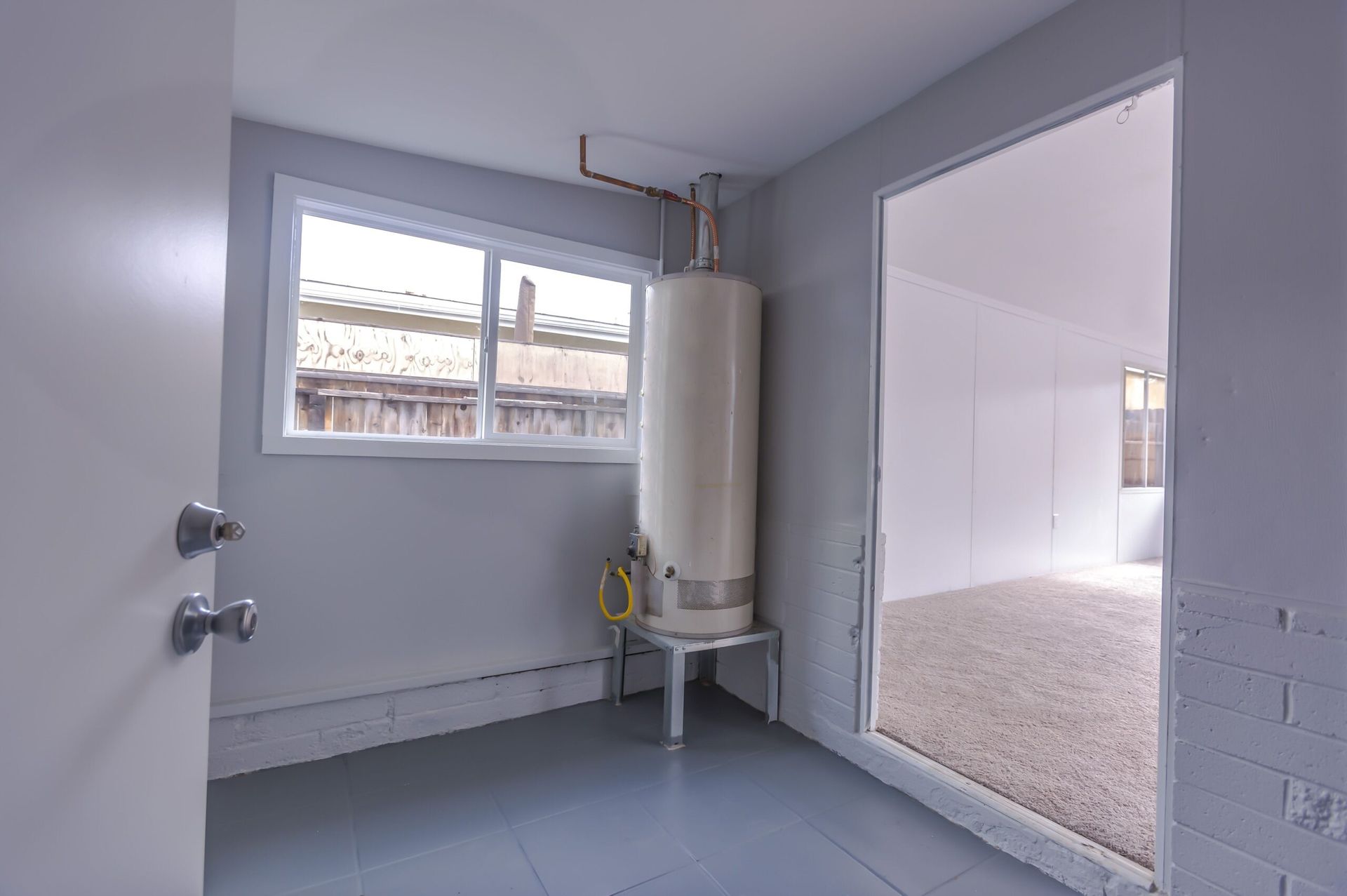
Interior view: Water heater near a window, doorway to a room with light-colored flooring.
December 5, 2025
On average, traditional tank water heaters last 8 to 12 years, while tankless water heaters can last 20 years or more with proper upkeep.
White truck with
December 2, 2025
Choosing the right material for a heat exchanger can make a significant difference in how efficiently your system performs and how long it lasts.
White Modern Heating and Plumbing truck with advertisement featuring a family and the slogan
December 2, 2025
MERV filters and HEPA filters both improve indoor air quality, but they differ in how they perform and where they’re best used.
White box truck with advertising for
December 2, 2025
At Modern Heating & Plumbing Co., we recommend scheduling your furnace maintenance in the fall—this optimizes performance and prolongs the lifespan of your system
Young rider on a motocross bike, wearing orange and black gear and a colorful helmet, outdoors on a grassy track.
December 2, 2025
At Modern Heating & Plumbing Co., we believe that being a local business means more than just providing quality heating and plumbing services.
Air conditioning unit outside a blue house, surrounded by green bushes. Electrical conduit visible.
December 2, 2025
SEER stands for Seasonal Energy Efficiency Ratio, and it's one of the most important factors to consider when choosing a system for your home.
A forklift operator loads cargo into a truck next to another truck; both vehicles have company logos.
December 2, 2025
The ENERGY STAR® label signifies that a product meets or exceeds strict energy efficiency guidelines set by the U.S.